The Road Back

Some people travel far and wide, yet peace continues to elude them,
Some long to disappear, even when their lives seem perfectly complete from the outside.

This is the story of those who once lost themselves, and their journey to find a way back.

Tran Quang Vinh, 40, lives in the United States. He is a former Google employee and now runs Murror, a platform dedicated to supporting mental health and emotional well-being.

If you ask him when his life truly began to change, he won’t point to the pinnacles of his career.

Instead, he will take you back to an afternoon in 1995…

Trần Quang Vinh

CHILDHOOD WOUNDS

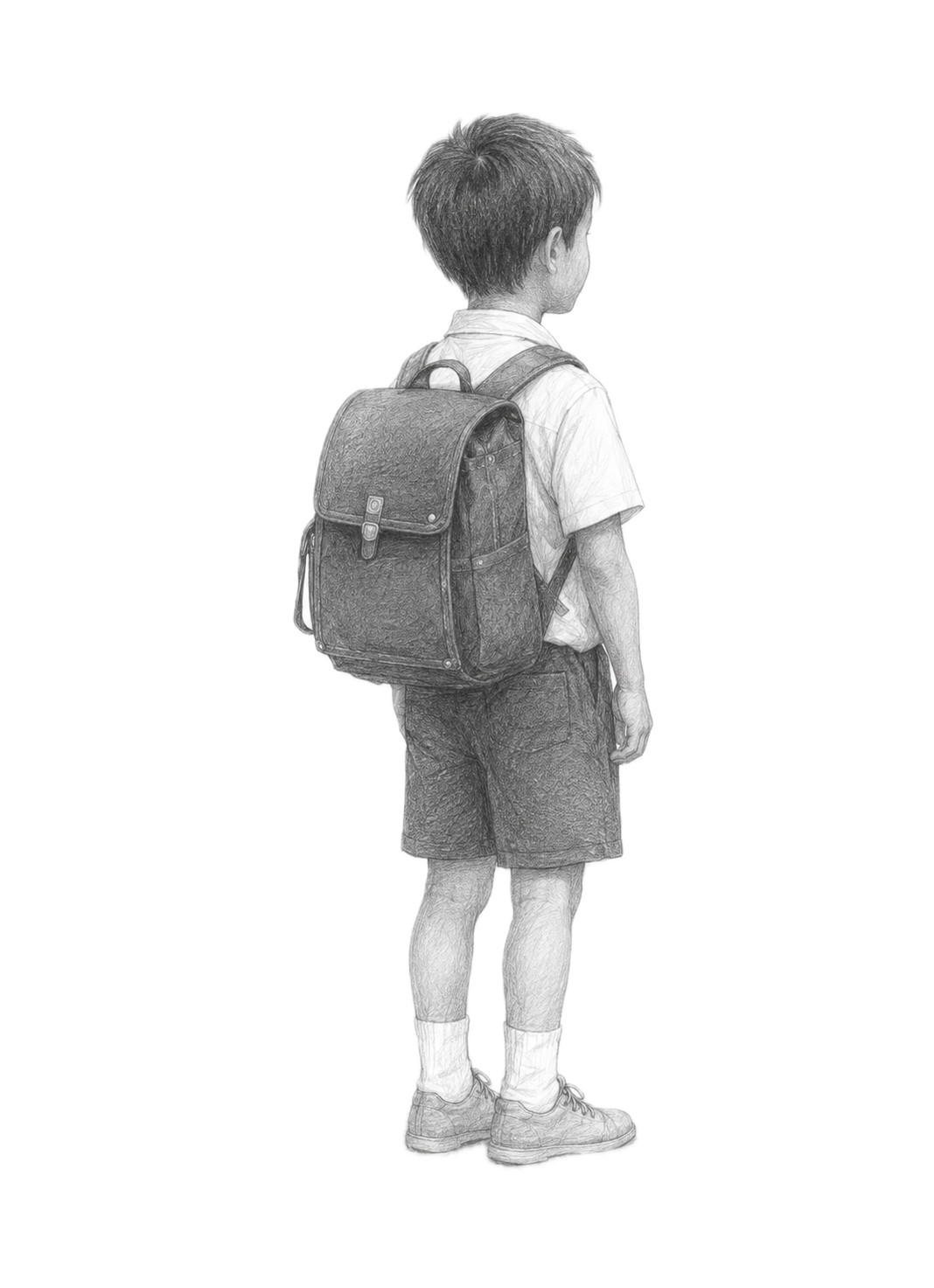
Back then, Vinh was in the third grade.

After school, the nine-year-old boy walked home just like any other day. It wasn’t a long walk. He wondered what his mother might be cooking, if he’d get to watch TV that evening, or how his father would ask about his schoolwork.

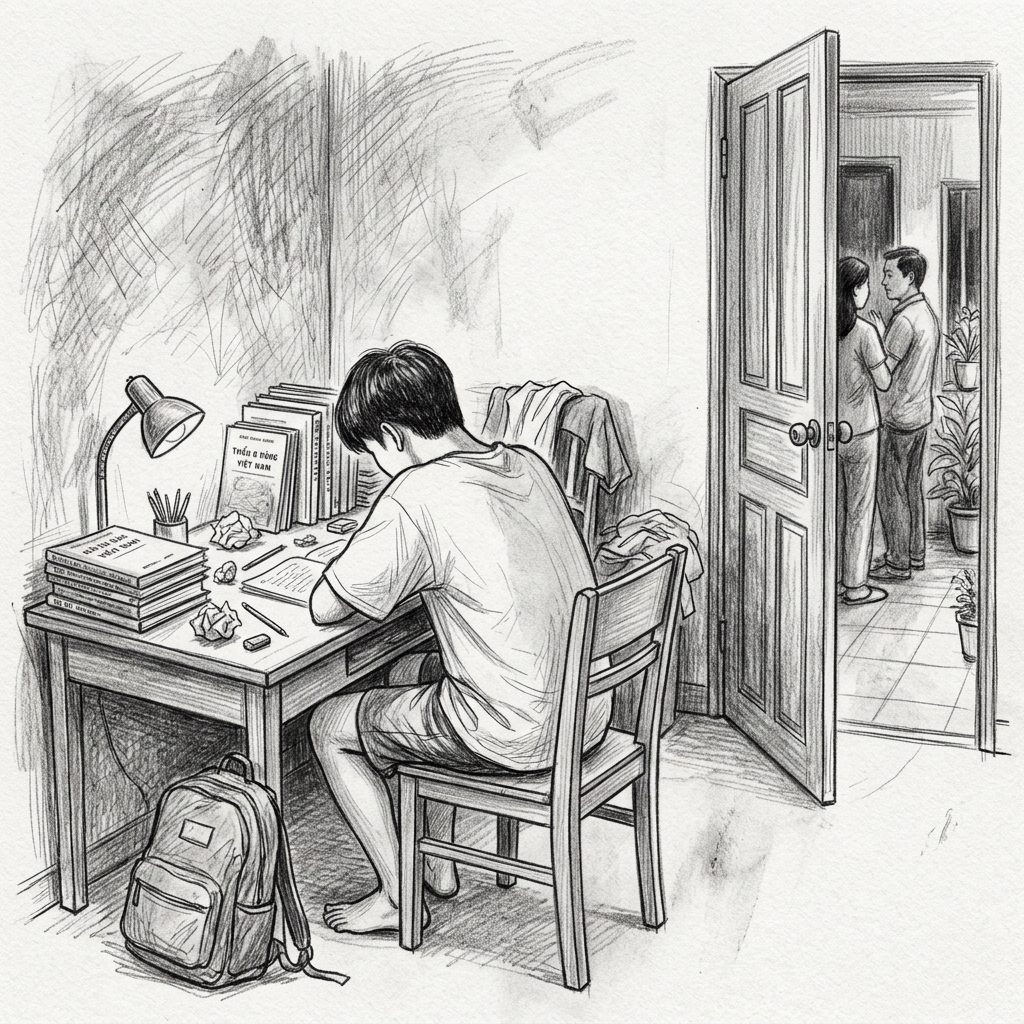
But as he reached the front door, he stopped dead in his tracks. From inside the house came sounds of tension and rage. It wasn’t the petty quarrel between his parents. The suffocating tension had reached its peak. He stood frozen at the front door, torn between stepping inside and walking away.

“At that time, I didn’t know what to call that feeling. I loved my parents deeply and just wanted to do something to make things better for our family. But the more I thought about it, the more helpless I felt”.

That night, Vinh lay facing the wall. He squeezed his eyes shut, wishing that if he could just fall into a deep sleep, everything would be back to normal by morning. The sound of his mother weeping in the next room seeped into every corner of the house.

After that day, something inside Vinh began to change. Gradually, he no longer wanted to talk to anyone.

That feeling lingered through the third and fourth grades, stretching across hundreds of silent dinners and countless moments watching his mother’s sorrow while his heart felt heavy and helpless.

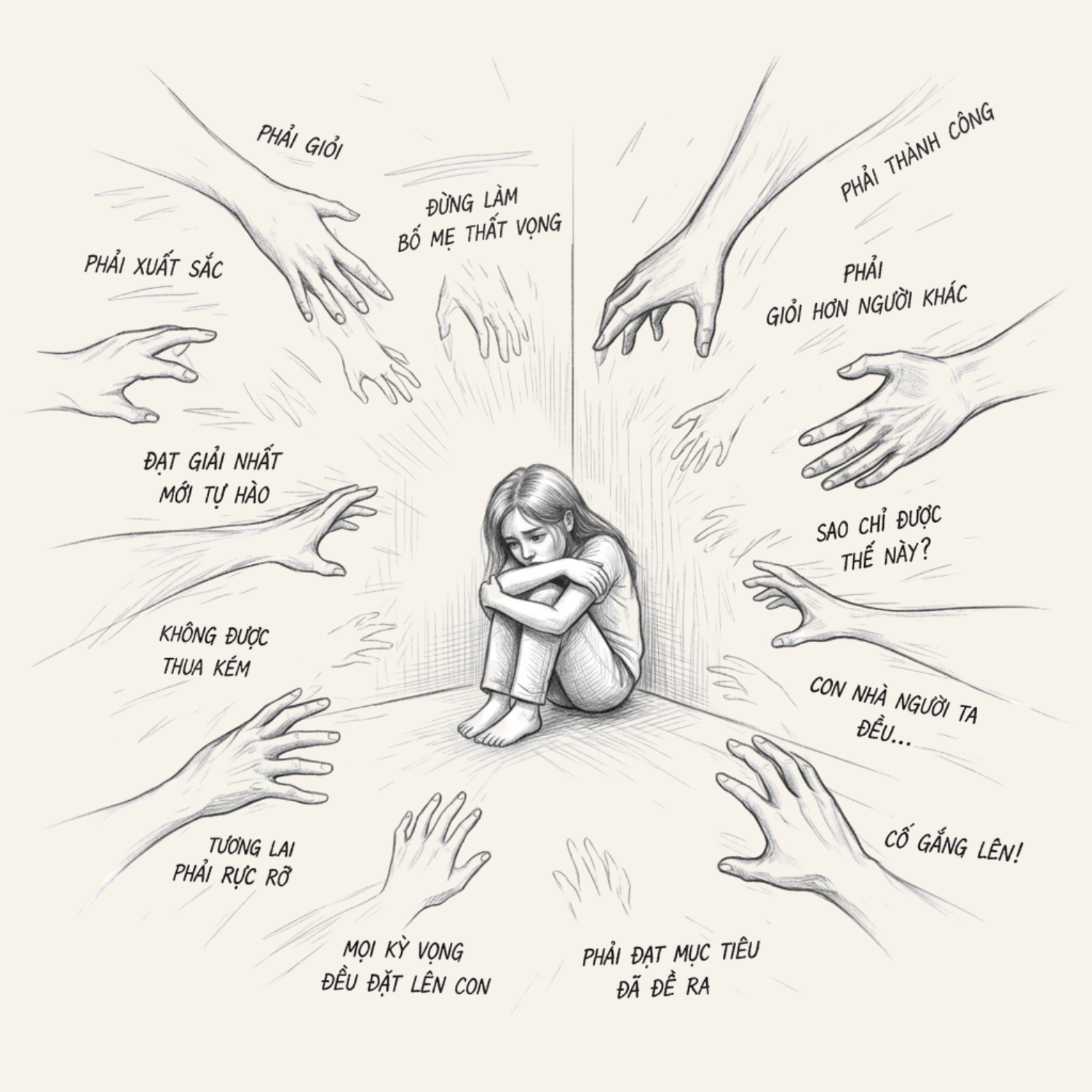
Every single day, he told himself he had to be a little better, study a little harder, and try just a little more.

“I carried a naive belief that if I were just good enough, the adults would suffer less”.

But miracles don’t always knock on the front door. A fractured family doesn't suddenly become happy again just because a child tries his hardest to be good.

By the fifth grade, the secret Vinh had kept buried for so long was suddenly dragged into the light.

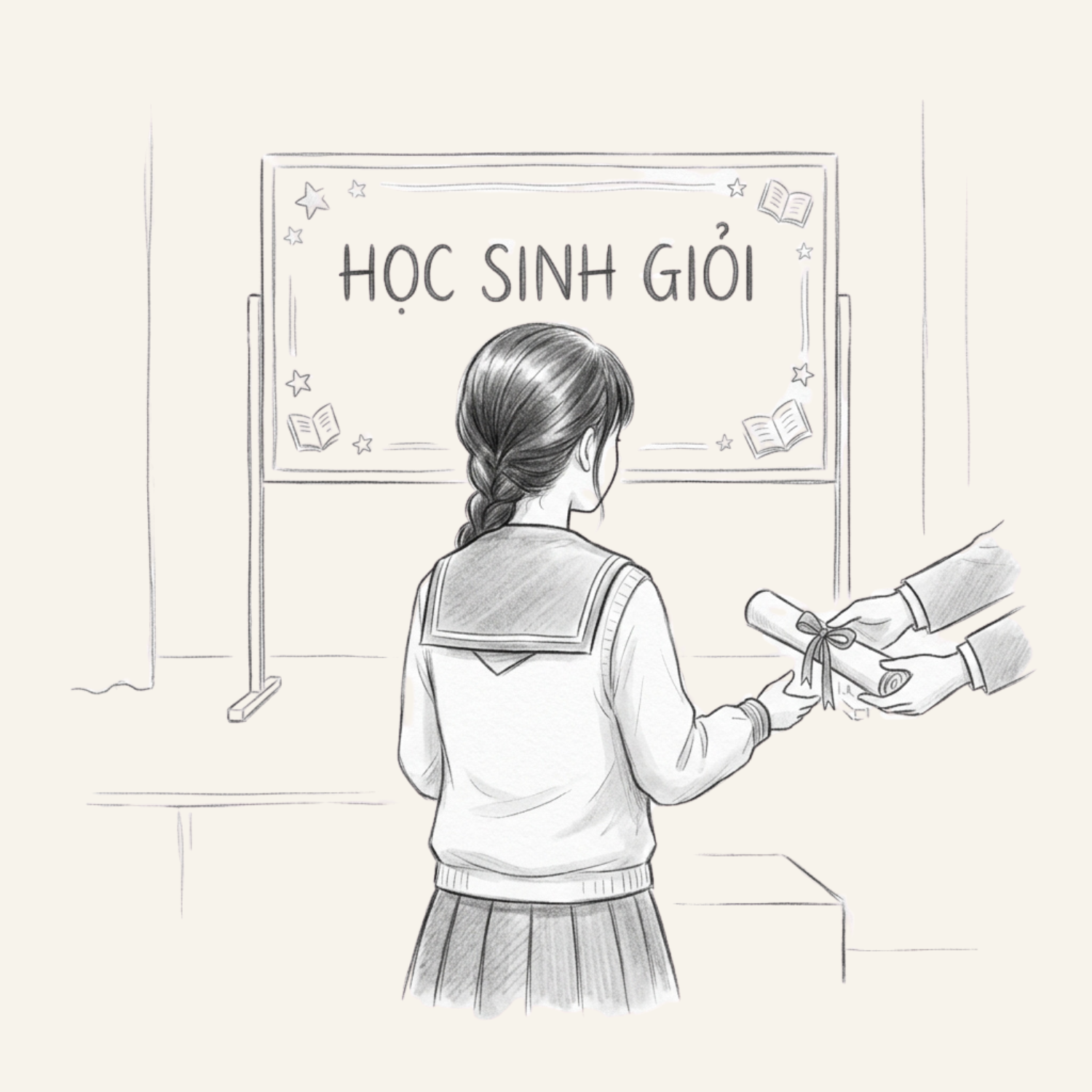
That day, tucked among the notebooks was a letter his mother had written to his father. It was not a long letter, but it carried the kind of words adults write only when they no longer know how to speak to each other. The sheet of paper slipped out by accident. His teacher picked it up, then looked at him.

“Is everything alright with your parents?”.

Vinh burst into tears. He wept because the emotions he had tried so hard to hide were now laid bare.

The problem wasn’t the fact that his classmates found out about his family problem. It was the sudden realization of just how long he had been carrying that heavy burden all by himself.

For the first time in years, the feelings trapped deep inside him had finally found a way out.

In that moment, Quynh Mai, a classmate of his, gently placed her hand over his.

“Don’t be sad, Vinh”.

Thirty years later, he still remembers those words. It was one of the rare moments in his entire childhood when he felt that someone truly saw the sorrow he was carrying.

THE FIRST HAND TO REACH OUT
Trần Quang Vinh trong hành trình chạy đua với thành tích

There was something Tran Quang Vinh would only come to understand many years later: the little boy who had stood outside that door in 1995 had never truly disappeared.

He had simply grown up. He went to school, built a career, and carried with him the constant, nagging feeling that he always had to try harder than everyone else.

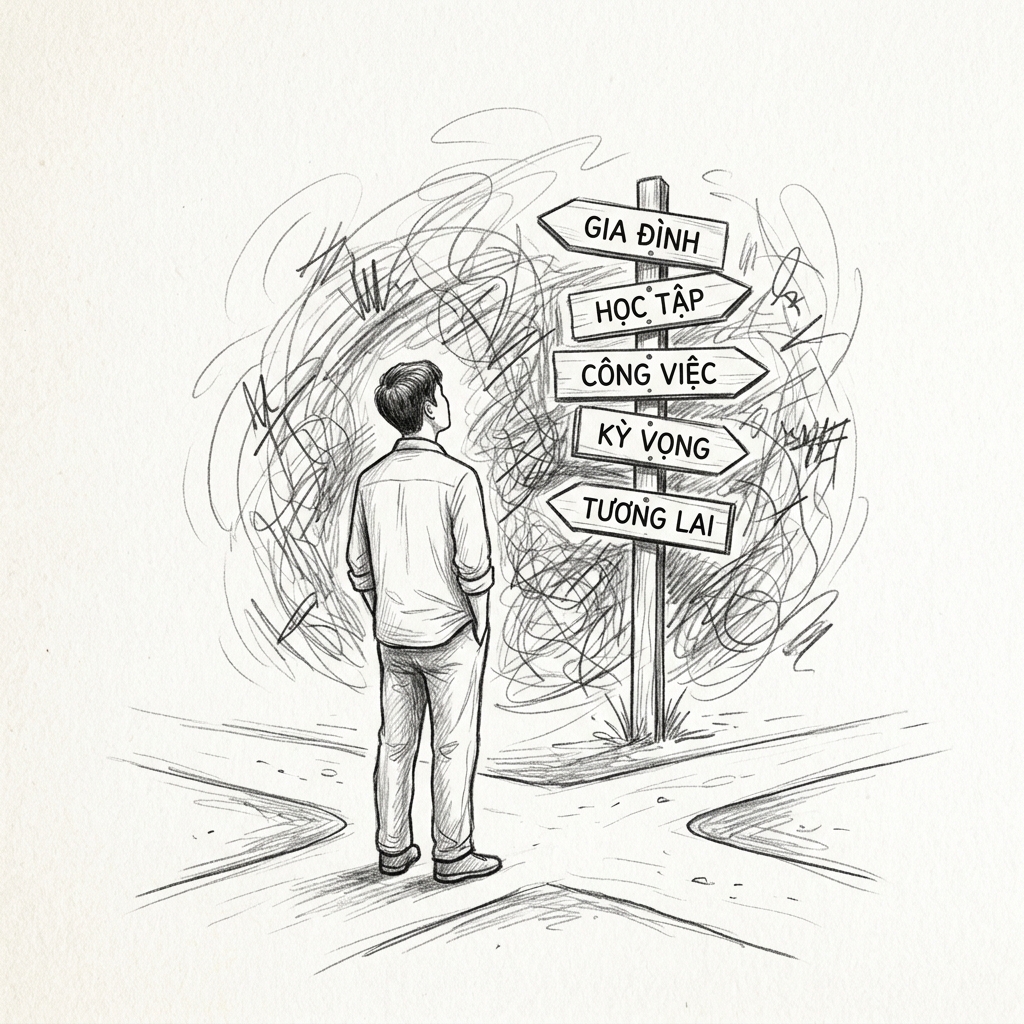
If his childhood had made him fear losing the people he loved, the years that followed made him believe that to be worthy of love, he had to be perfect.

And so, Vinh began to run.

THE RACE TO FIND MEANING IN LIFE

FIRST PAYCHECK

His very first paycheck was just 3 million VND, but to Vinh, it felt like the turning point toward a better life. For a young man back then, money was more than just income. It was the empowering feeling of finally taking control of his own destiny.

LEAVING VIETNAM

Moving to the US, Vinh built a successful career, received an affluent salary, and steadily won the recognition of his peers. The road ahead seemed wider and brighter than ever. Yet, amidst all the success, the sense of fulfillment he had been chasing still eluded him.
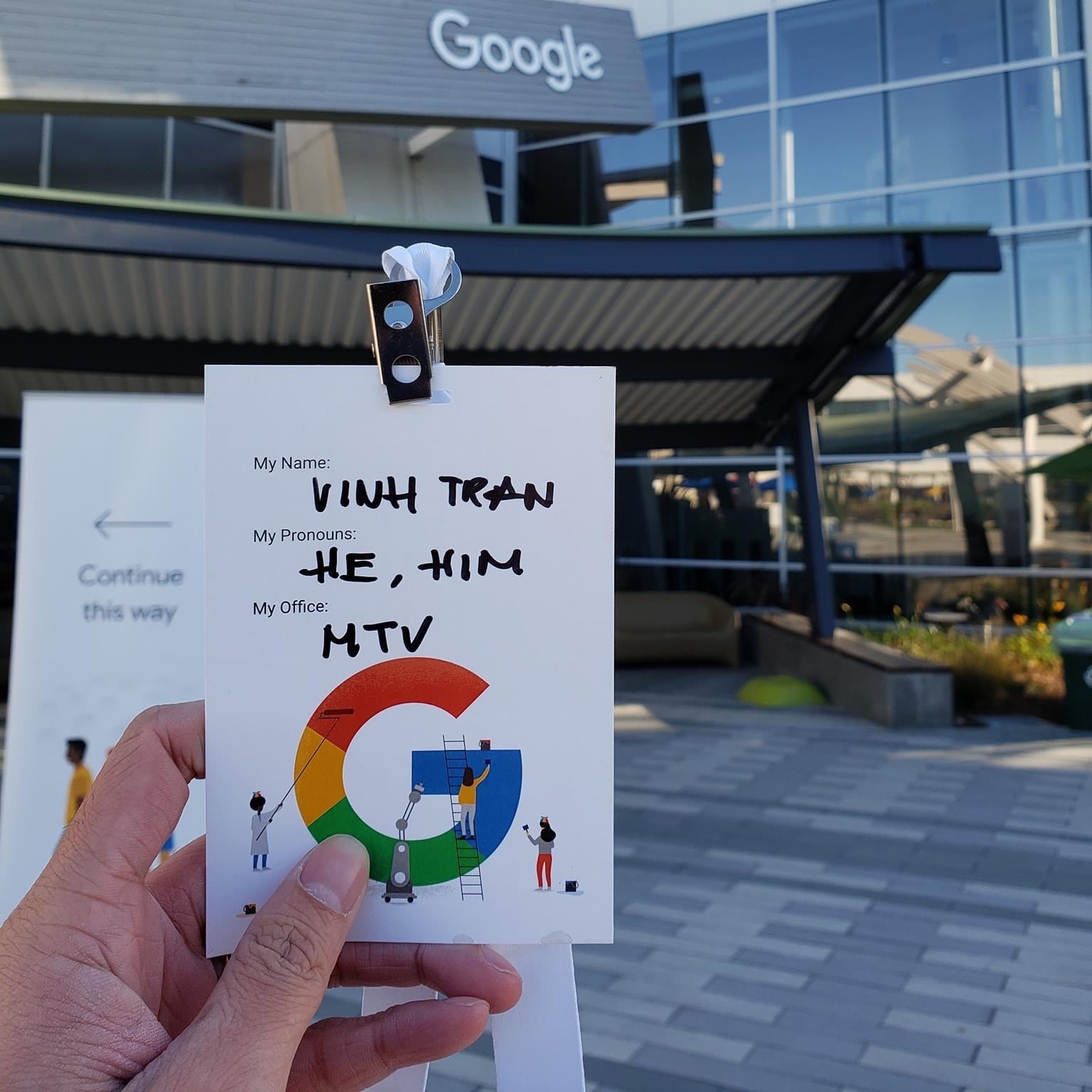
Google

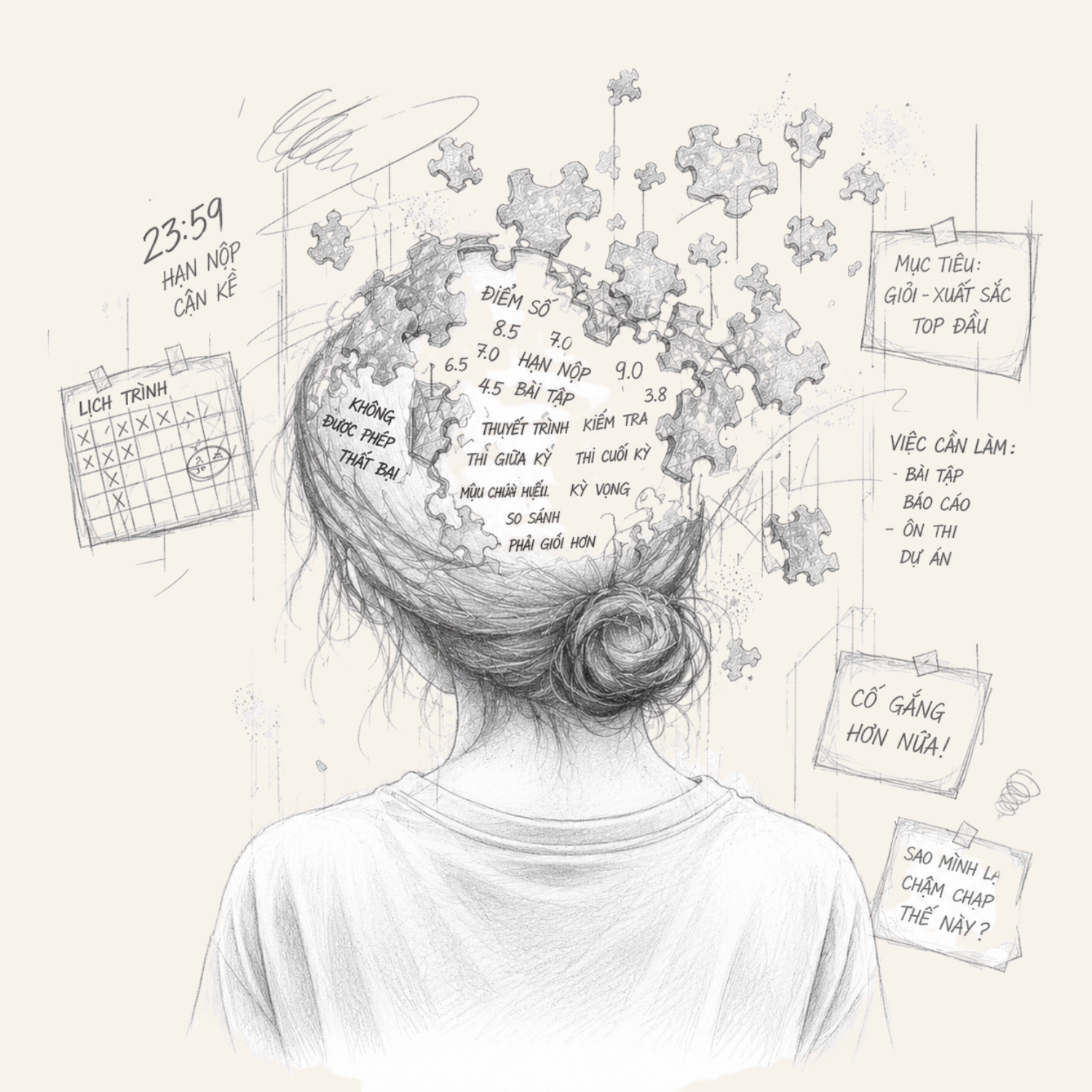
“I kept believing that reaching the next milestone would finally make me happy”. Each time he reached a milestone he had worked so hard for, the feeling never lasted. For a moment, there was excitement, relief, even pride. Then the emptiness would creep back in, as if nothing had really changed.

THE PAIN

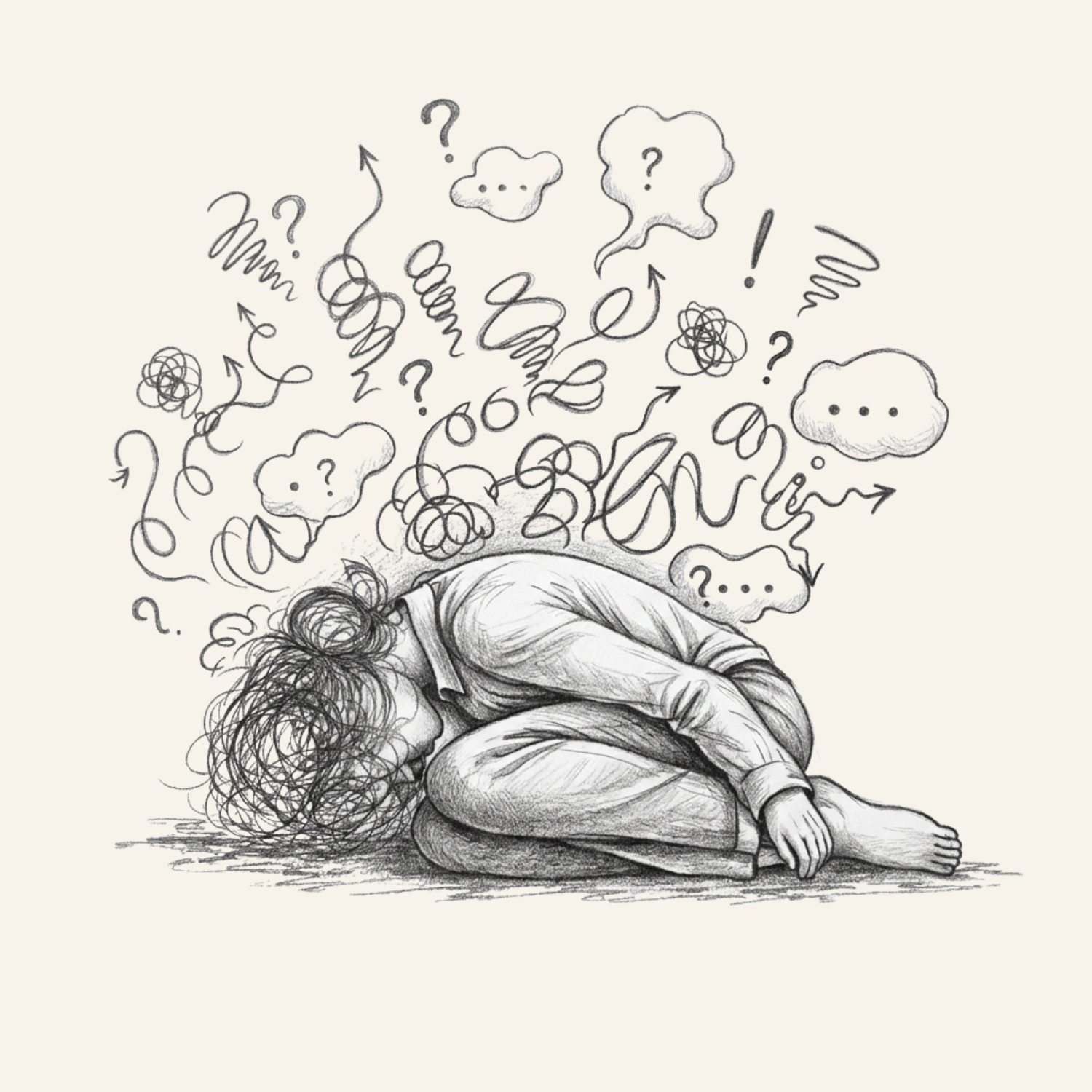
The only person he could never win over was himself. No matter how much he achieved, how much recognition he won, or how successful he appeared to be, it was never enough to quiet the voice in his head telling him he wasn't good enough. "I couldn’t eliminate self-doubt for most of my life. I never learned how to give myself credit for anything”.
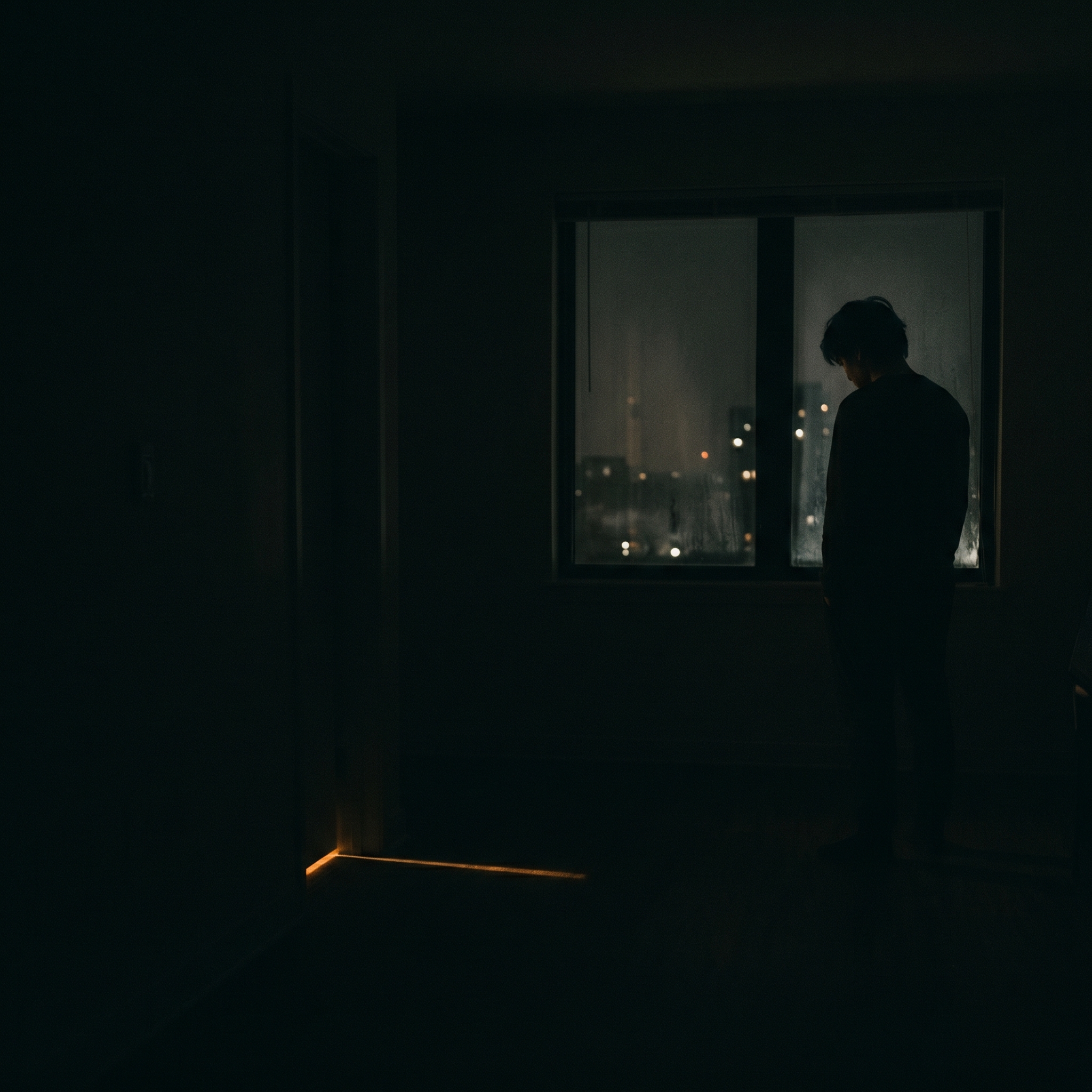
Who am i?

If one day there were no achievements left to lean on, who would he be? "I spent nearly 40 years trying to become somebody, only to realize I didn't know who I was”.

IN THE SAME BOAT
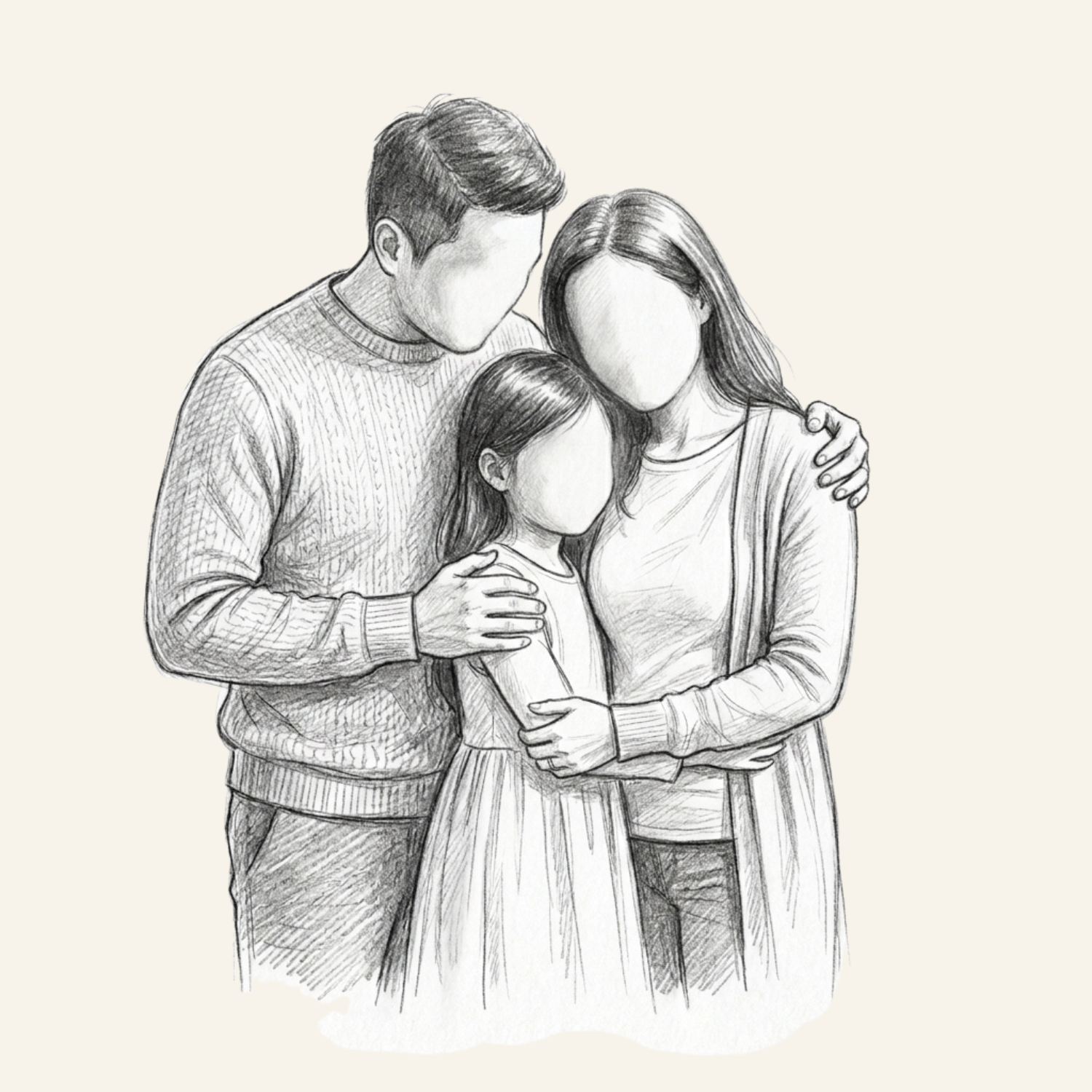
Meanwhile, many other young people were struggling with similar problems.

1/7
One in seven adolescents aged 10-19 is dealing with at least one mental health disorder.
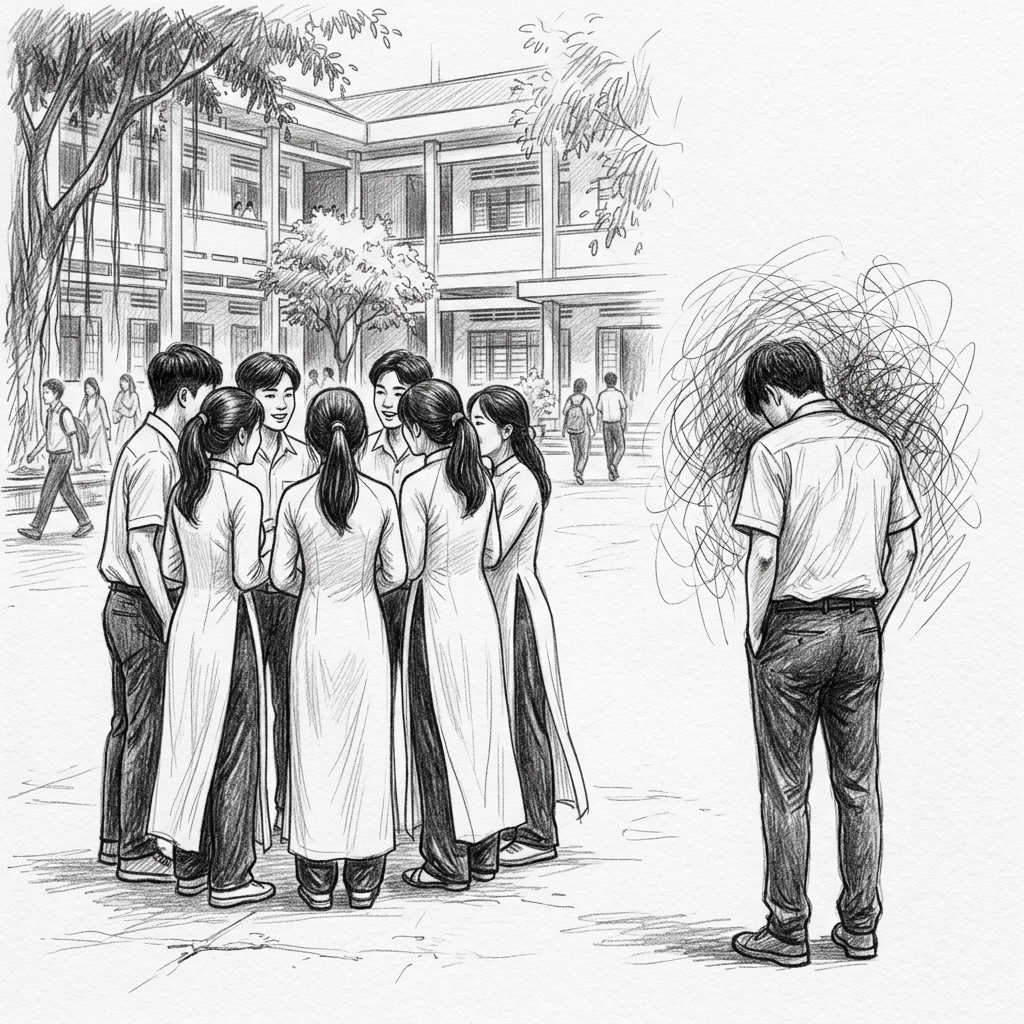
50%
50% of mental health disorders onset before the age of 18.
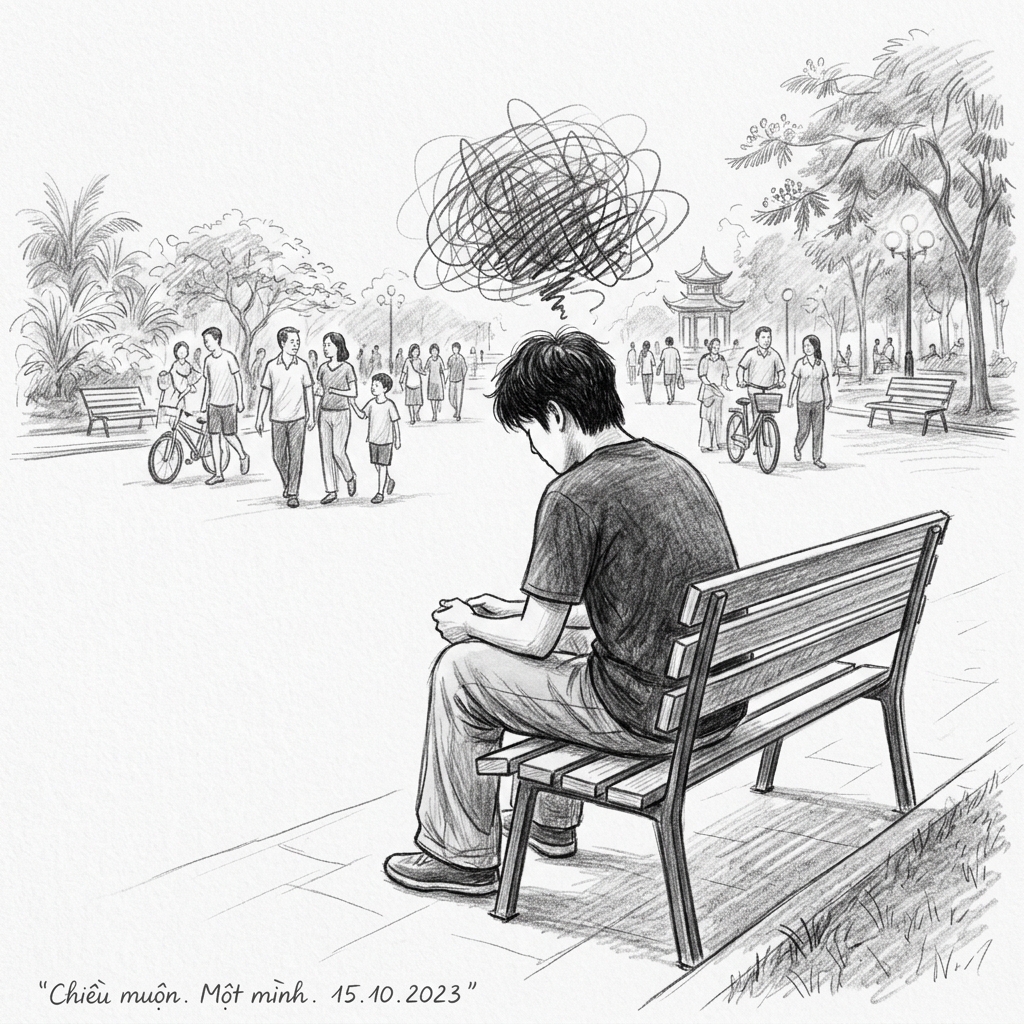
Top 3
Suicide is among the top 3 causes of death for youth aged 15-29.
8,4%
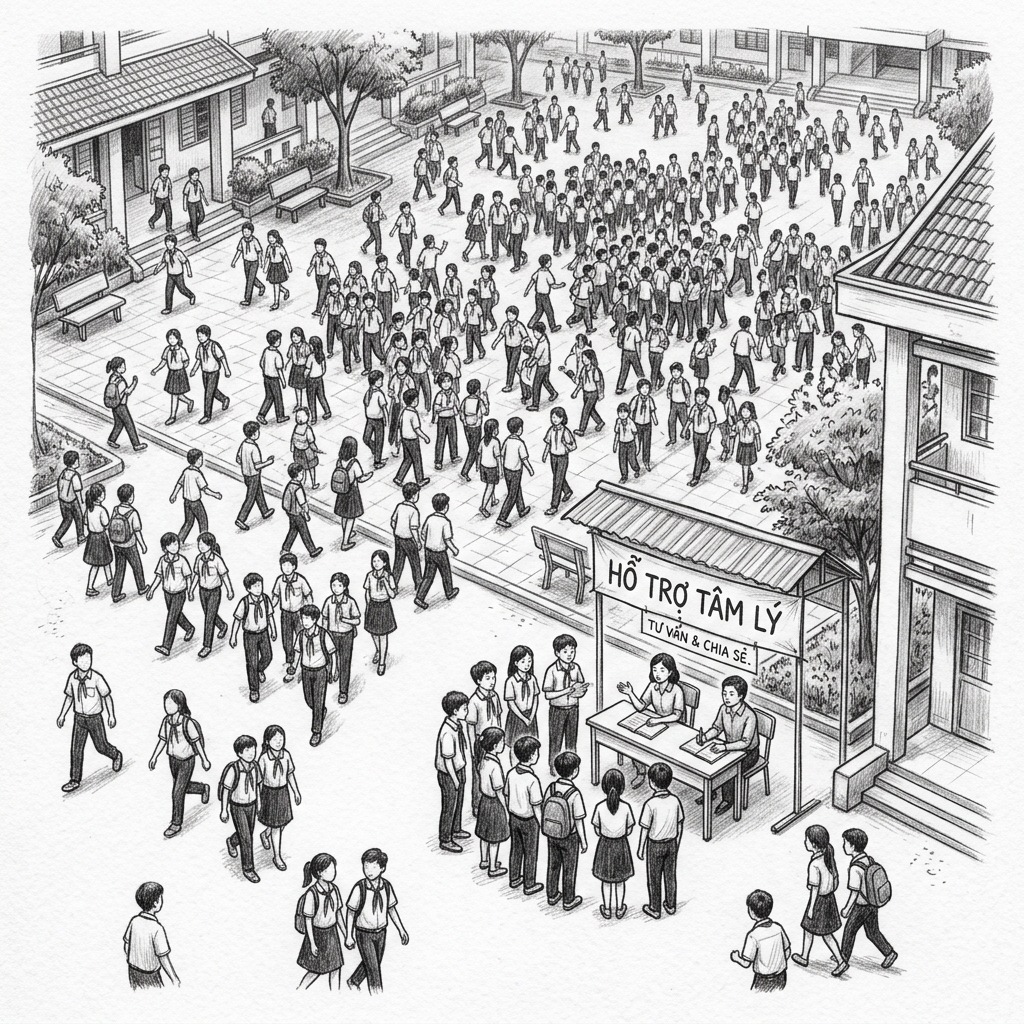
Only 8.4% of Vietnamese adolescents access psychological support.
5,1%
Only 5.1% of parents are aware that their child needs psychological support.
Source: WHO, UNICEF, Bach Mai Hospital

LIBERATION

Looking back on everything he had achieved, Vinh came face to face with a frightening realization. He had built the life that the boy he once was - back in 1995 - believed would bring happiness, yet he still couldn’t find meaning in his existence.

A thought surfaced. Vague at first. Over time, it became impossible to ignore.

“Let Vinh die!”.

That thought surfaced at the darkest moment of Tran Quang Vinh’s life.

It was not the death of the physical body. It was the death of the person who had spent nearly forty years living in insecurity, fear, and a desperate craving for validation.

Later, looking back, Vinh realized that was also the first time he had truly stopped running.

He began to write.

He wrote about his childhood. He wrote about the door in 1995. He wrote about the memories he had spent years trying to bury. At first, writing was simply a way for him to build a strong sense of self. But then, the messages started coming in.

Some said they saw their own childhoods in his story. Some said they cried. Others simply left a brief line:

“I thought I was the only one”.

The more Vinh read, the more he realized that his story was far from unique. There were countless people out there carrying wounds no one could see.

And he came to understand something important. Sometimes, the most dangerous thing isn't depression itself. It's loneliness.

Many people are suffering, yet they don't know who to turn to, who to talk to, or even how to begin asking for help.

That realization became the starting point for Murror, an AI-powered platform designed to support people struggling with depression.

At first, it was simply a platform where people could share their stories. Over time, the community began to grow.

With 30,000 users and 1 million USD successfully raised in funding, the mission to provide a safer place for people with depression to be honest with themselves gained momentum.

HITTING ROCK BOTTOM
BEYOND THE SELF

It was through this journey of listening to others that Vinh discovered a different version of himself.

A version that no longer tried to prove its worth through achievements, no longer constantly rushed forward, and no longer chased validation from the outside world. Instead, he learned how to reconnect with himself, with others, and with life.

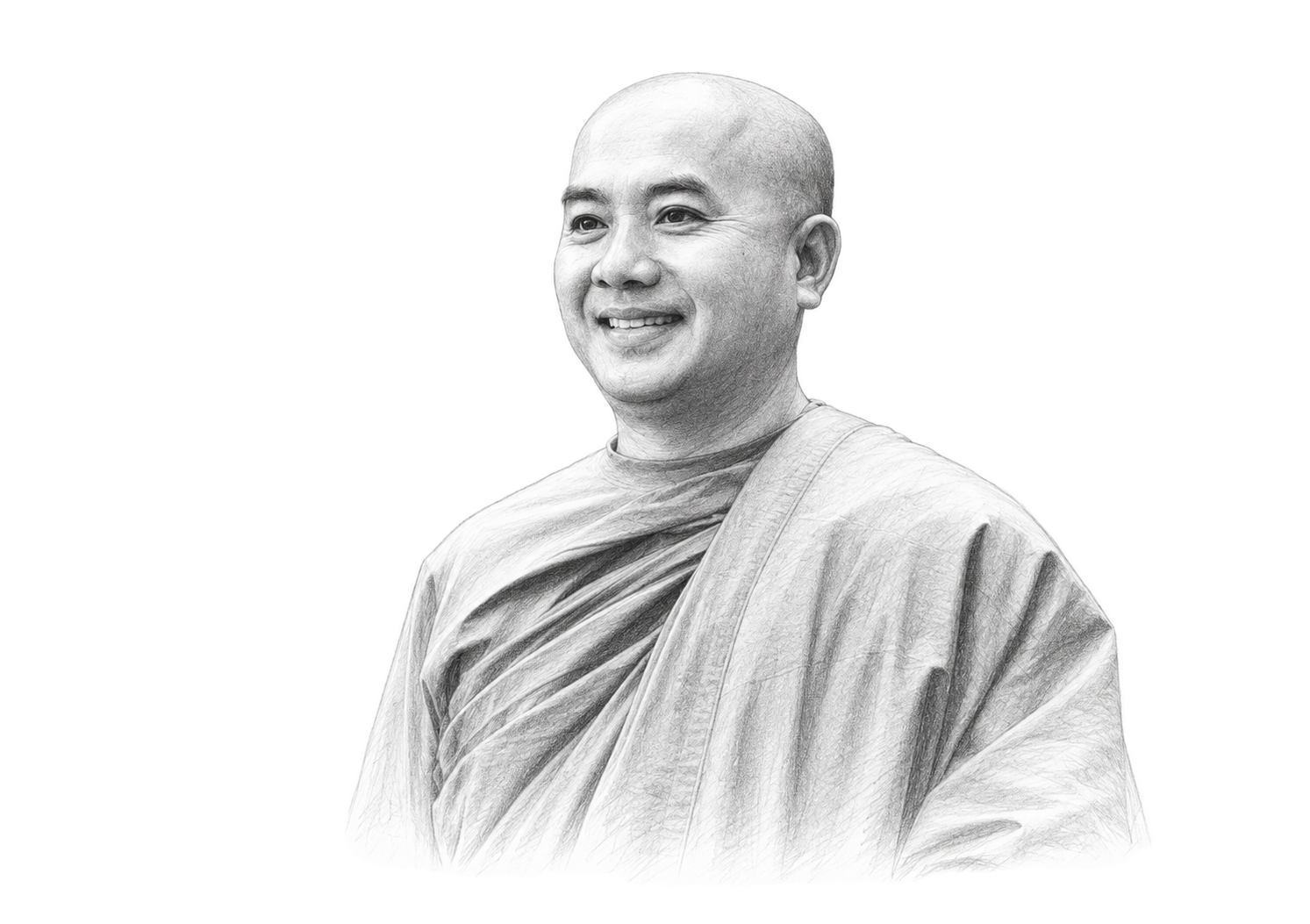
For nearly twenty years of walking alongside individuals in psychological crisis, Buddhist Monk Minh Niem has been confronting this reality.

Many people are aware of what their parents expect of them. They know what society expects of them. They know who they are supposed to become in order to be accepted. However, they do not know what they truly need.

In his view, this is a form of disconnection that is becoming increasingly common. Humans are more connected to the world than ever before, but also more estranged from themselves than ever.

We are taught how to learn. We are taught how to succeed. We are taught how to make a living. We are rarely taught how to recognize our emotions, how to name our pain, or how to sit with our own wounds.

Emotions that go unseen do not simply disappear. They sink deeper, only to resurface later. Sometimes in our twenties. Sometimes in our thirties.

Thầy Minh Niệm

Sometimes, as in the case of Tran Quang Vinh, close to the age of forty.

Drawing from his own experiences, Buddhist Monk Minh Niem believes that the journey back to oneself usually begins with three connections: connecting with nature, connecting with oneself, and connecting with the community.

Only then can a person begin to notice what is really happening inside, that they are sad, afraid, wounded, or simply exhausted.

Once those emotions can be named, the healing journey can truly begin.

According to Buddhist Monk Minh Niem, one of the biggest misconceptions about healing is the belief that a person can become completely whole again.

He does not believe so. Major wounds often leave scars. What matters is not erasing them completely, but learning how to live with them.

Healing, in that sense, is a journey of liberation - a way of setting people free, and allowing their true emotions to come to light.

The healing journey that Tran Quang Vinh has been, and is currently going through is perhaps the most accurate testament to that realization.

“NO ONE HEALS COMPLETELY”

EPILOGUE

Thirty years ago, a little boy stood in silence before his front door.

Thirty years later, that same man spends most of his time listening to those who carry the very same darkness he once did.

Because maybe healing isn't about changing who you are or eliminating the past. It's about refusing to give up on oneself. It is about discovering how to go back to one's scars, genuine feelings, and the aspect of oneself that was lost in the process.

For sometimes, what saves a person is not finding every answer, but simply knowing that there is still a road leading back home.